Concrete Sawing vs. Concrete Removal: Understanding the Difference
People searching for concrete sawing and concrete removal are typically looking to cut or remove existing concrete, and local contractors can provide the expertise needed for safe, efficient work.
Understanding the differences between concrete sawing and concrete removal is essential for property owners facing renovation, repair, or construction projects. Whether you're planning to make precise cuts for utilities or need to remove an entire section of concrete, knowing which method suits your specific needs can save time and prevent unnecessary complications. This page is designed to help you grasp the practical distinctions between these services, highlighting how local contractors skilled in both can assist in achieving your project goals efficiently and effectively.
Property owners in the area often explore this topic to better plan their upcoming projects, ensuring they choose the right approach for their concrete work. Concrete sawing is typically used for making accurate cuts without disturbing surrounding structures, while concrete removal involves breaking down and extracting large sections of existing concrete. By understanding these differences, you can make informed decisions about which service to seek, and connect with experienced contractors capable of handling either task with professionalism. Keep reading to learn more about how these services differ and how local experts can support your project needs.
- Concrete sawing services are often needed for precise cuts in existing slabs or structures, with local contractors using specialized equipment to ensure accuracy. Concrete removal services are essential when entire sections of concrete need to be taken out, and local service providers handle these projects with efficient demolition techniques. When planning renovations or expansions, local pros can advise on whether concrete sawing or removal is appropriate based on the scope of work. For projects involving delicate or detailed cuts, concrete sawing is typically preferred, with local experts ensuring clean, controlled cuts. In cases where old or damaged concrete must be completely replaced, concrete removal services are performed by local contractors to clear the area safely and effectively.

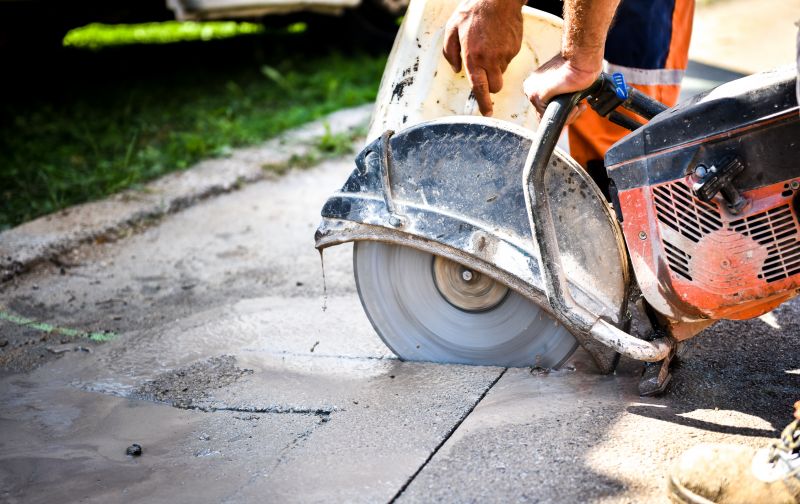
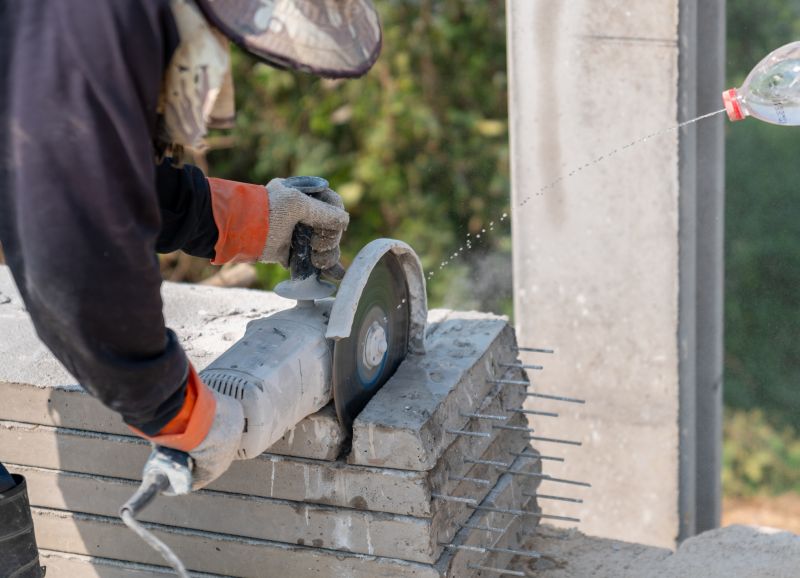
When people search for concrete sawing vs. concrete removal: understanding the difference, they are often trying to determine the most effective way to handle specific construction or renovation projects involving existing concrete. This comparison typically arises when homeowners or property managers plan to modify, upgrade, or eliminate sections of concrete surfaces such as driveways, sidewalks, flooring, or foundation elements. The goal is to understand which method best suits their project needs-whether they need precise cuts or complete removal-and to find local contractors who can perform these specialized tasks efficiently and safely.
These topics are closely related to a variety of property-related problems and planning scenarios. For example, a homeowner might need to create new doorways or windows in a concrete wall, requiring accurate cutting, which is where concrete sawing comes into play. Conversely, if an entire section of concrete is damaged, outdated, or no longer needed-such as an old driveway or a collapsed foundation-concrete removal becomes necessary. Understanding the distinction helps property owners decide whether they need a precise, controlled cut or a full removal of concrete, which can impact the scope, cost, and complexity of the project.
Concrete sawing and concrete removal services are commonly associated with properties like residential homes, commercial buildings, parking lots, and industrial facilities. Residential properties often require these services for home renovations, basement work, or driveway upgrades. Commercial and industrial sites may need concrete sawing or removal for large-scale construction, infrastructure improvements, or site clearing. Each property type presents unique challenges, such as the thickness of the concrete, the presence of embedded utilities, or the need for minimal disruption, which local service providers are equipped to handle with the appropriate equipment and techniques.
Understanding the difference between concrete sawing and concrete removal helps property owners communicate their project needs clearly with local contractors. Concrete sawing involves cutting through concrete with specialized blades or saws, allowing for precise penetrations or sectioning without disturbing surrounding areas. Concrete removal, on the other hand, involves breaking up and extracting entire sections of concrete, often requiring heavy machinery and careful planning. By knowing which method is suitable for their project, homeowners can better coordinate with local pros who specialize in these services, ensuring the work is done efficiently, safely, and to the desired specifications.
Concrete Cutting for Installations - contractors often use concrete sawing techniques for precise cuts needed during installations like plumbing or electrical work, similar to the planning involved in concrete removal projects.
Brick and Masonry Cutting - this project requires specialized tools and skills comparable to those used in concrete sawing, making it relevant for professionals experienced in cutting hard materials.
Asphalt and Roadway Cutting - local service providers who handle asphalt cutting for road repairs or modifications share techniques with concrete sawing, focusing on precision and safety.
Structural Demolition - removing sections of concrete structures involves planning and tools similar to concrete removal services, often requiring careful assessment and execution.
Foundation Penetration and Core Drilling - core drilling involves precise cutting into concrete surfaces, aligning with the skills used in concrete sawing and removal projects.
Parking Lot and Sidewalk Repairs - repairing or replacing concrete surfaces in public areas involves cutting and removal techniques that are closely related to concrete sawing and removal services.

When evaluating service providers for concrete sawing versus concrete removal, experience with similar projects is a key factor to consider. Homeowners should look for local contractors who have a proven track record in handling projects comparable in scope and complexity. This experience can provide insight into their familiarity with the specific tools, techniques, and safety considerations required for each type of service. A contractor's history of successfully completing similar jobs can also indicate their ability to manage potential challenges efficiently, ensuring the work is performed smoothly and effectively.
Clear written expectations are essential when comparing local pros for concrete sawing and concrete removal. Homeowners should seek providers who can offer detailed explanations of the scope of work, methods used, and what the process will entail. Having a transparent understanding of what to expect helps prevent misunderstandings and ensures that the project aligns with the homeowner’s goals. Well-defined communication about materials, timing, and potential disruptions can contribute to a smoother experience and better overall results.
Reputable references and effective communication are important indicators of a trustworthy contractor. Local contractors who can provide references from previous clients or examples of completed projects demonstrate their reliability and quality of work. Good communication throughout the process-such as responsiveness to questions and clarity about procedures-can make a significant difference in the overall experience. When comparing service providers, homeowners should prioritize those who maintain open, transparent, and consistent communication to foster confidence and ensure the project proceeds as planned.
Property owners often search for concrete sawing vs. concrete removal: understanding the difference when they are planning practical projects around their homes and businesses. Local pros provide Concrete Sawing and Concrete Removal services for everyday jobs and straightforward project options.
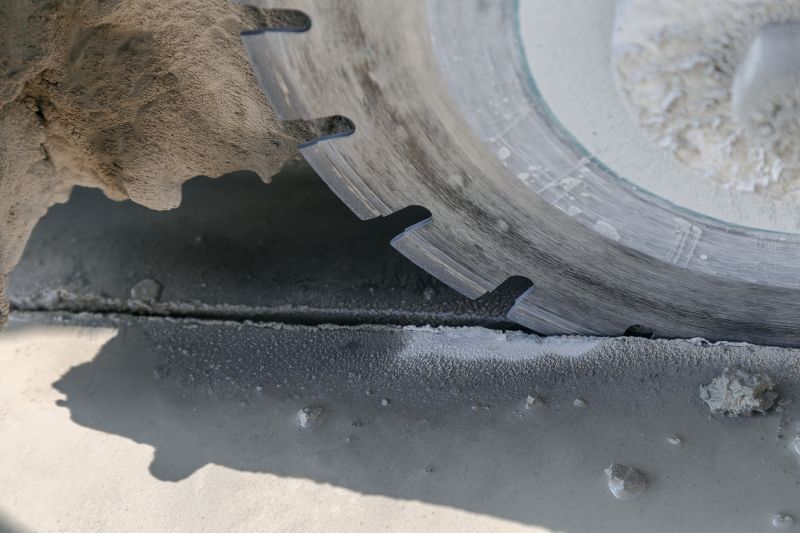
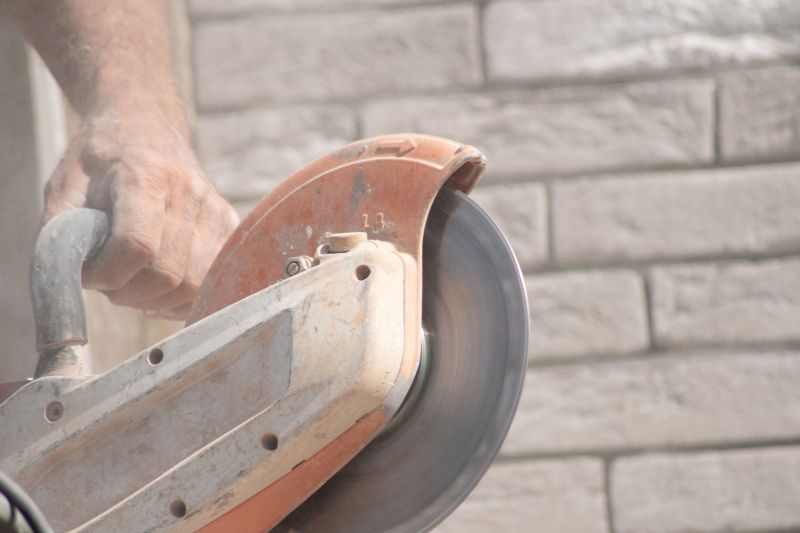
Understanding the difference between concrete sawing and concrete removal is essential for property owners planning renovation or repair projects. Concrete sawing involves cutting through existing concrete surfaces, such as floors, walls, or driveways, often to create openings for doors, windows, or utility lines. This method is typically used when only a specific section needs modification, allowing for precise cuts without disturbing the surrounding structure. On the other hand, concrete removal involves breaking apart and taking away larger sections of concrete, which is necessary when complete demolition or extensive replacement is required. Property owners in the area may seek out local contractors for these services to ensure the work is done efficiently and safely, especially for projects that demand careful planning and specialized equipment.
Many local property owners turn to professional concrete sawing and concrete removal services when tackling projects like basement renovations, sidewalk repairs, or garage expansions. Choosing the right service depends on the scope and nature of the work, with concrete sawing suited for precise cuts and concrete removal better for larger-scale demolition. Local contractors can provide the expertise needed to determine the best approach, helping property owners avoid unnecessary damage and ensuring the project progresses smoothly. Whether it’s creating openings or removing old concrete for a fresh start, connecting with experienced service providers can make the process more straightforward and manageable.
What is the main difference between concrete sawing and concrete removal? Concrete sawing involves cutting through existing concrete to create openings or sections, while concrete removal includes breaking and taking out entire sections of concrete. Local contractors typically recommend each method based on the scope of the project.
When should concrete sawing be used instead of removal? Concrete sawing is ideal when only specific sections need to be cut or opened, such as for utility access or expansion joints. Local service providers can determine if sawing is suitable for precise cuts without removing large areas.
What situations require concrete removal rather than sawing? Concrete removal is necessary when entire slabs or large sections need to be taken out, such as for foundation repairs or complete demolition. Local pros can handle the heavy-duty removal work efficiently.
Can concrete sawing and removal services be combined for a project? Yes, many projects involve both sawing and removal to achieve the desired outcome, with local contractors coordinating both processes for a seamless result.
How do local service providers decide between sawing and removal for a job? They evaluate factors like the extent of the work, the purpose of the project, and the condition of the concrete to recommend the most effective method for each situation.
Choosing the right method for concrete projects - property owners can evaluate whether concrete sawing or removal best suits their needs for cutting or removing existing concrete structures.
Planning for structural modifications - understanding the difference helps property owners decide when precise sawing is needed versus complete removal for renovations.
Handling concrete repairs or updates - local contractors can recommend sawing to create clean cuts or removal to replace damaged sections efficiently.
Managing space and access limitations - knowing which method is appropriate allows property owners to work around obstacles or confined areas with the help of experienced service providers.
If you are thinking about concrete sawing vs. concrete removal: understanding the difference for a property, this guide is meant to help you understand this topic, the typical project types, and how different options might fit your plans.
When you are ready, you can use the quote form on this page to share a few details about your project. From there, local pros can review the basics and follow up with options that match what you have in mind.