Safety Considerations for Commercial Concrete Sawing and Removal
People seeking commercial concrete sawing and removal want safe, efficient services, and local contractors can ensure proper procedures to minimize risks and ensure safety.
If you are a property owner considering commercial concrete sawing and removal, understanding safety considerations is essential to ensuring a smooth and secure project. Whether you're planning renovations, repairs, or new installations, proper safety measures help prevent accidents and protect everyone on site. It’s reassuring to know that experienced local contractors prioritize safety protocols, equipment handling, and site management, making sure the job is completed efficiently while minimizing risks.
Exploring safety considerations for commercial concrete sawing and removal is especially important for those managing busy commercial or industrial spaces. Proper planning and adherence to safety standards can reduce disruptions and avoid costly delays. Local service providers are equipped to handle the technical aspects of the work safely, giving property owners confidence that the project will be carried out responsibly. Keep reading to learn more about how safety plays a vital role in successful concrete sawing and removal projects and how local experts can support your needs.
- Commercial concrete cutting - when businesses need precise demolition or modifications, local contractors prioritize safety considerations to prevent structural damage and ensure worker protection.
- Concrete removal for renovations - during building upgrades, service providers follow safety protocols to manage dust, debris, and equipment hazards effectively.
- Floor cutting and coring - in projects requiring core drilling or opening floors, local pros implement safety measures to minimize risks associated with vibration and dust inhalation.
- Wall and slab sawing - when cutting through walls or slabs, contractors focus on safety considerations to avoid unintended structural impacts and protect nearby workers.
- Selective demolition of concrete structures - for partial demolitions, service providers adhere to safety standards to control dust, noise, and debris, ensuring a safe work environment.
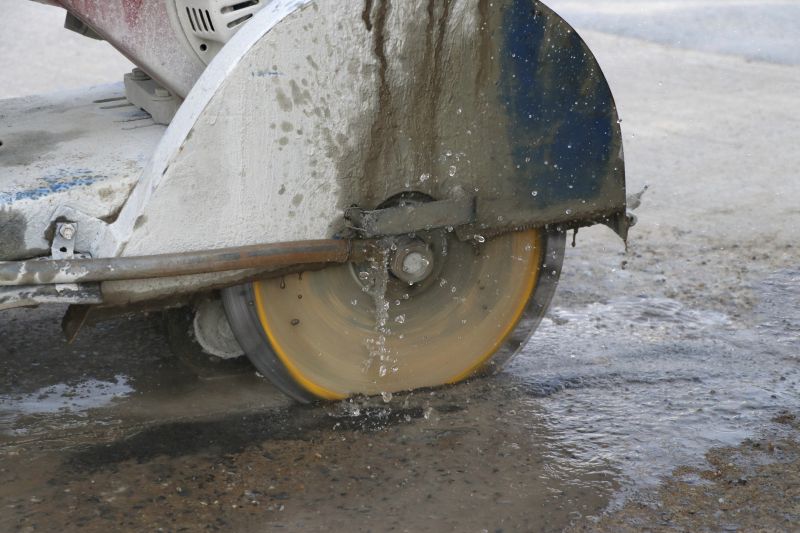

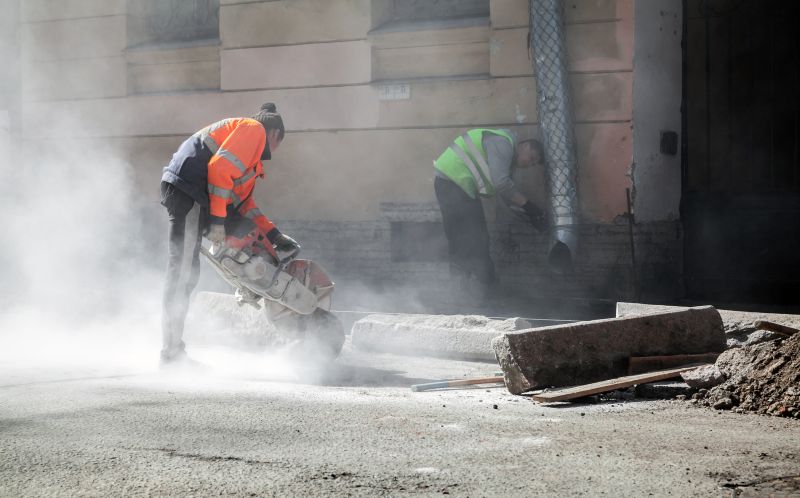
When people search for safety considerations for commercial concrete sawing and removal, they are often looking for guidance on how to ensure that the work is performed without causing harm or damage. This may include understanding the risks associated with cutting through concrete, such as dust, vibration, noise, and potential structural impacts. Homeowners and property managers want to know how to protect workers, bystanders, and the property itself during these projects. The focus is on minimizing hazards and ensuring that safety protocols are followed to prevent accidents or injuries that could result from improper handling of heavy equipment or unforeseen structural issues.
These safety considerations are closely linked to specific types of projects, such as retrofitting existing structures, installing new utilities, or demolishing parts of a building. For example, cutting through concrete slabs or walls requires careful planning to avoid damaging electrical wiring, plumbing, or load-bearing elements. Property owners often need to coordinate the work with other construction activities, making safety a top priority to prevent delays or costly repairs. Properly managing dust and debris is also a key concern, especially in environments where indoor air quality is important. Local contractors experienced in commercial concrete sawing and removal understand these challenges and can implement safety measures tailored to each project’s unique requirements.
The types of properties involved in commercial concrete sawing and removal projects typically include office buildings, retail centers, warehouses, industrial facilities, and multi-unit residential complexes. These properties often have complex layouts and critical infrastructure that must be protected during the work. For example, cutting into concrete floors or walls in a busy shopping mall requires careful coordination to avoid disrupting daily operations or causing damage to existing systems. Additionally, older buildings might present specific safety challenges due to outdated construction methods or hidden hazards. Local service providers are familiar with the safety procedures necessary for these various property types and can adapt their techniques accordingly to ensure a safe and efficient process.
Understanding safety considerations for commercial concrete sawing and removal helps property owners and managers make informed decisions about hiring experienced local contractors. These professionals are equipped to handle the technical aspects of cutting and removal while maintaining a focus on safety protocols that protect everyone involved. From assessing structural stability to managing dust and noise, local pros can help plan and execute projects that meet safety standards without compromising the integrity of the property. This ensures that the work progresses smoothly, with minimized risk of accidents or damage, and aligns with the specific safety needs of each property type and project scope.
Asphalt Cutting Projects - Local contractors experienced in asphalt cutting share similar safety considerations for commercial concrete sawing, including the handling of power tools and dust management.
Demolition and Debris Removal - Demolition projects involve planning for safety and proper use of cutting tools, aligning with safety practices in concrete sawing and removal services.
Parking Lot Resurfacing - This type of project requires precise cutting and removal techniques, with safety protocols that mirror those used in commercial concrete sawing operations.
Structural Steel Cutting - Cutting structural steel involves similar planning and safety precautions, especially regarding dust control and equipment safety measures.
Flooring Removal and Replacement - Removing existing flooring often involves saw cutting and debris management, requiring safety considerations comparable to concrete removal services.
Utility Line Excavation - Excavation for utility lines demands careful planning and safety measures, paralleling those necessary for concrete sawing and removal projects.
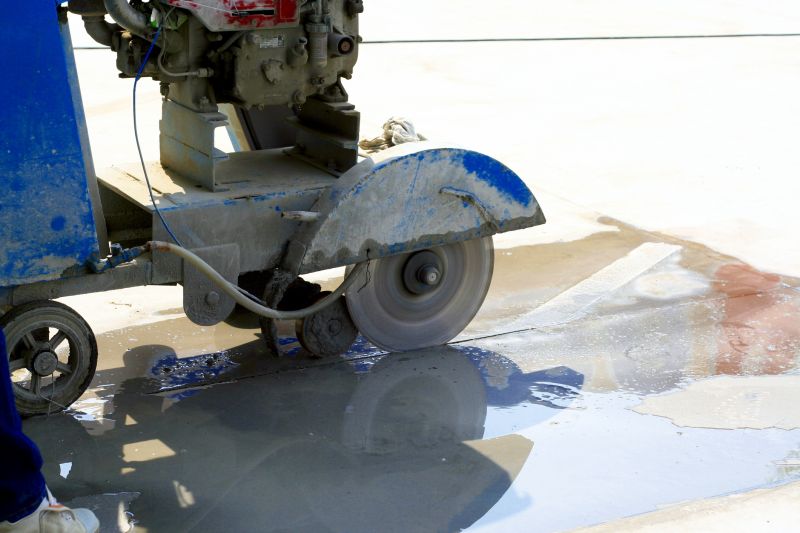
When evaluating service providers for commercial concrete sawing and removal, it is important to consider their experience with similar projects. A contractor with a proven track record handling jobs of comparable scope and complexity can be more likely to understand the specific safety considerations involved. Inquire about their past work to determine if they have successfully managed projects that required careful planning and execution, ensuring that safety protocols were effectively implemented throughout the process. This experience helps ensure that the contractor is familiar with potential hazards and knows how to address them appropriately, reducing the risk of accidents or damage.
Clear, written expectations are essential when comparing local contractors for concrete sawing and removal services. A reputable service provider should be able to provide detailed descriptions of their safety procedures, methods, and the safety measures they plan to implement during the project. Having these expectations documented helps prevent misunderstandings and ensures that safety considerations are prioritized. It also allows homeowners to assess whether the contractor’s approach aligns with best practices for safety and project requirements, fostering a transparent working relationship.
Reputable references and good communication are key factors in selecting a reliable contractor for concrete sawing and removal. References from previous clients can offer insights into the contractor’s ability to manage safety concerns effectively and adhere to safety protocols. Additionally, a contractor who communicates clearly and promptly about project scope, safety measures, and potential risks demonstrates professionalism and attentiveness. This level of communication can help homeowners feel confident that the service provider values safety and is committed to addressing any concerns throughout the project, leading to a smoother and safer experience.
Property owners often search for safety considerations for commercial concrete sawing and removal when they are planning practical projects around their homes and businesses. Local pros provide Commercial Concrete Sawing and Removal services for everyday jobs and straightforward project options.
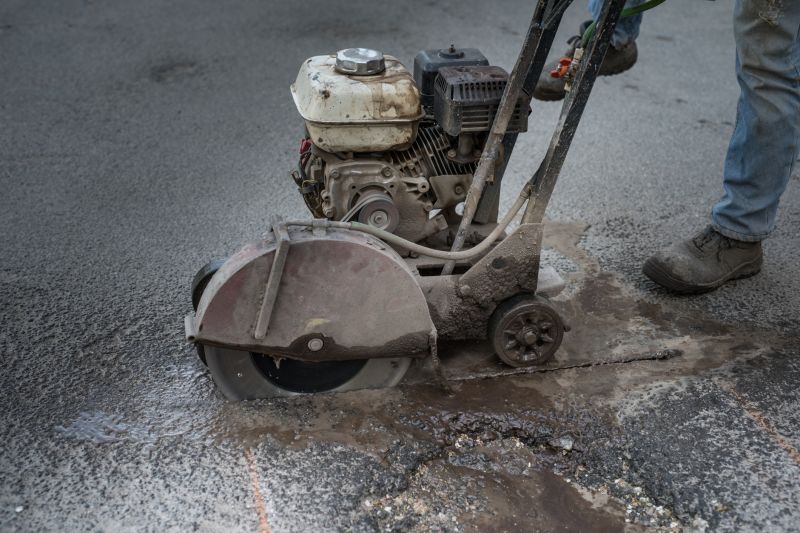
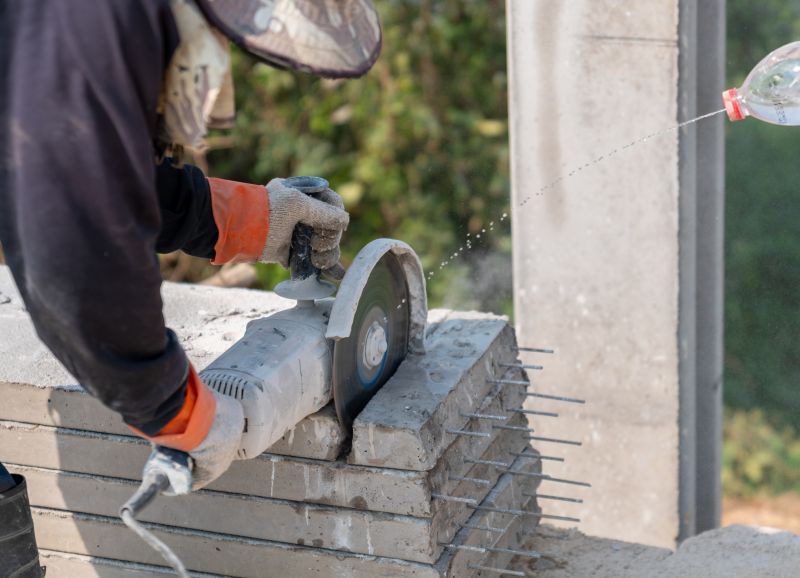
Safety considerations for commercial concrete sawing and removal are essential for property owners undertaking renovation or construction projects. These tasks often involve cutting through tough materials like concrete and asphalt, which can pose risks such as flying debris, dust inhalation, and equipment accidents. Property owners in the area might seek out local contractors who prioritize safety protocols to ensure the work is completed without incident. Proper planning, use of appropriate safety gear, and adherence to best practices help minimize hazards, making the project safer for everyone involved.
For those managing commercial or residential projects, hiring experienced service providers can help address safety concerns effectively. Local contractors specializing in concrete sawing and removal are equipped to handle the complexities of these jobs while maintaining safety standards. They can assess the site, recommend suitable equipment, and implement safety measures that protect workers and nearby property. Considering safety considerations for commercial concrete sawing and removal can lead to smoother project execution and peace of mind during the process.
What safety precautions should be considered during commercial concrete sawing? Local contractors typically implement measures such as proper equipment handling, dust control, and personal protective equipment to ensure safety during concrete sawing and removal projects.
How do professionals manage dust and debris to maintain safety? Service providers often use dust suppression systems and containment methods to minimize airborne particles and keep the worksite safe for workers and nearby areas.
Are there specific safety considerations for working around existing structures? Yes, local pros evaluate structural stability and use appropriate techniques to prevent damage or accidental collapse during sawing and removal processes.
What safety measures are in place to protect workers during concrete removal? Contractors typically utilize PPE such as goggles, respirators, and hearing protection, along with safety protocols to reduce risks associated with heavy equipment and dust.
How can property owners ensure safety during concrete sawing and removal projects? Property owners should work with experienced service providers who follow safety standards and use proper equipment to minimize hazards on-site.
Proper equipment handling - Ensuring that tools and machinery are used correctly can prevent accidents and injuries during concrete sawing and removal projects.
Site assessment and planning - Conducting a thorough inspection of the work area helps identify potential hazards and plan safe procedures with local contractors.
Protective gear usage - Wearing appropriate safety equipment, such as goggles, gloves, and masks, is essential for minimizing exposure to dust and debris.
Clear communication and signage - Using proper signage and maintaining clear communication with workers can help prevent misunderstandings and accidents on the job site.
If you are thinking about safety considerations for commercial concrete sawing and removal for a property, this guide is meant to help you understand this topic, the typical project types, and how different options might fit your plans.
When you are ready, you can use the quote form on this page to share a few details about your project. From there, local pros can review the basics and follow up with options that match what you have in mind.